PatriciaMatias
I write about institutions: how they distribute power, shape labor, and determine who benefits and who bears the cost.

I write about institutions: how they distribute power, shape labor, and determine who benefits and who bears the cost.
Endo must end, but terminating it effectively will require a combination of law, advocacy, and operational support.
PhilStar Life, July 2025
To truly curb corruption, we must overhaul defunct systems that allow corruption to fester, and this begins by rehabilitating the primary department responsible.
PhilStar Life, September 2025
Younger Filipinos need to run for office. To encourage new leaders, we must inspire a movement that breaks traditional politics.
Schools and universities are failing to protect our children against abusers. We should hold them accountable.
01 —
These essays examine democratic accountability and institutional reform in the Philippines and the United States. I look at how authority is structured and what meaningful reform requires.
02 —
Here I write about work, labor protections, and education policy. I ask who is protected and who is excluded, and how policy shapes opportunity.
03 —
This section focuses on energy systems and public goods. I explore what it takes to build a climate transition that is fair and built to last.
Without reforms and overhauls, it will just be different people carrying out the same graft offenses under the same system. Fixing corruption starts with reforming a defunct DPWH
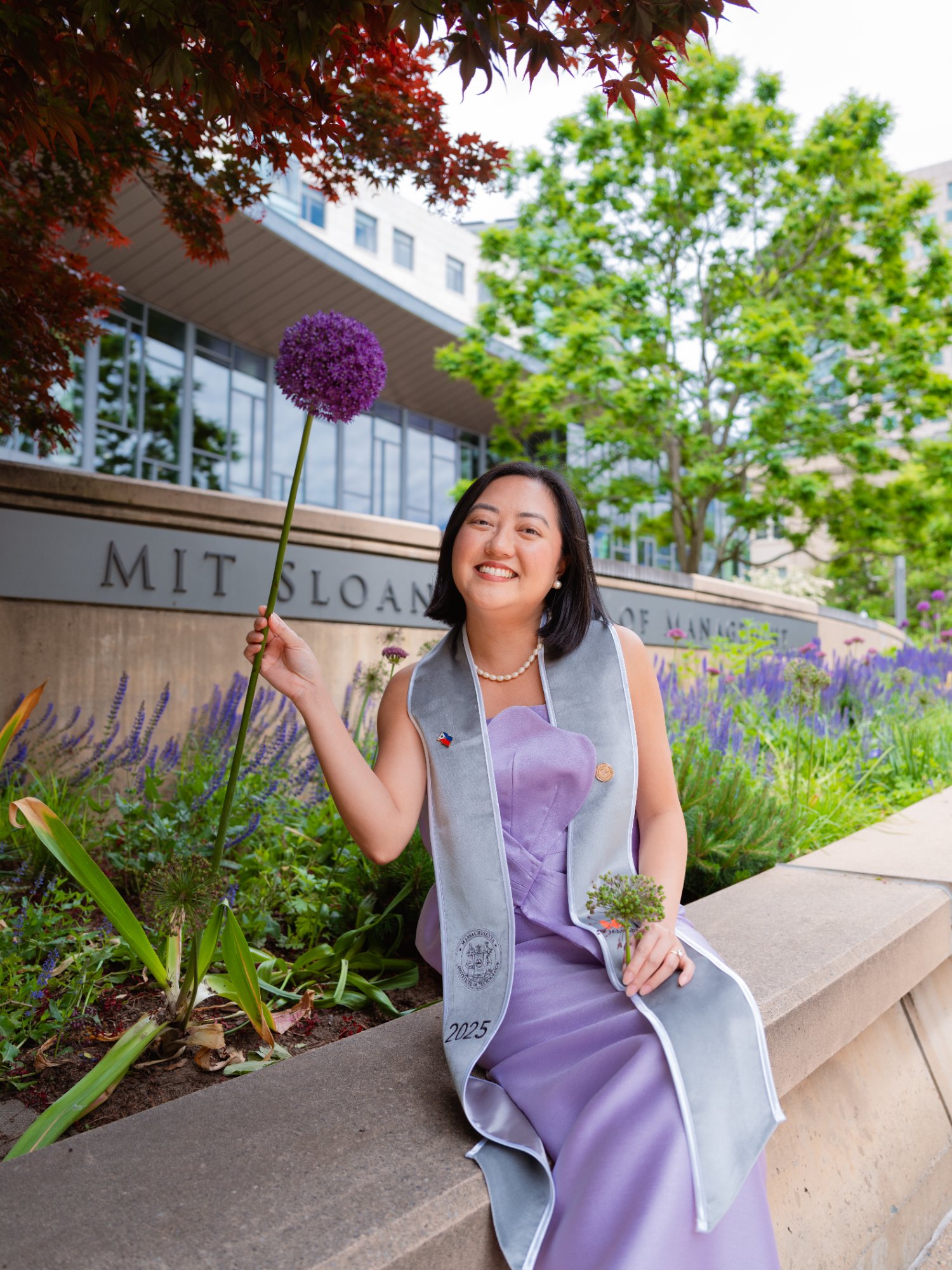
Patricia Matias works at the intersection of governance, climate, and institutional reform across the Philippines and the United States.
She holds an MBA from the MIT Sloan School of Management and an MPA from the Harvard Kennedy School, and has worked in consulting and climate strategy. A systems lens informs her writing, which returns often to questions of labor, public goods, and democratic accountability.
She is based in Cambridge, Massachusetts and is currently working on short fiction exploring class, migration, and memory.